Research vision

Overcoming the manufacturing bottleneck in AI-driven design

My research vision is for manufacturing to keep pace with AI design, so that every material and part that AI designs can be built accurately, quickly and at a cost industry can use.

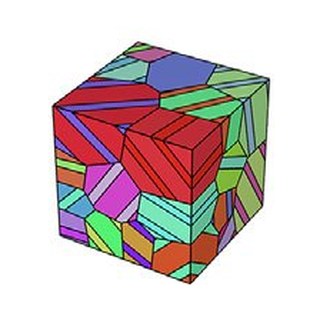
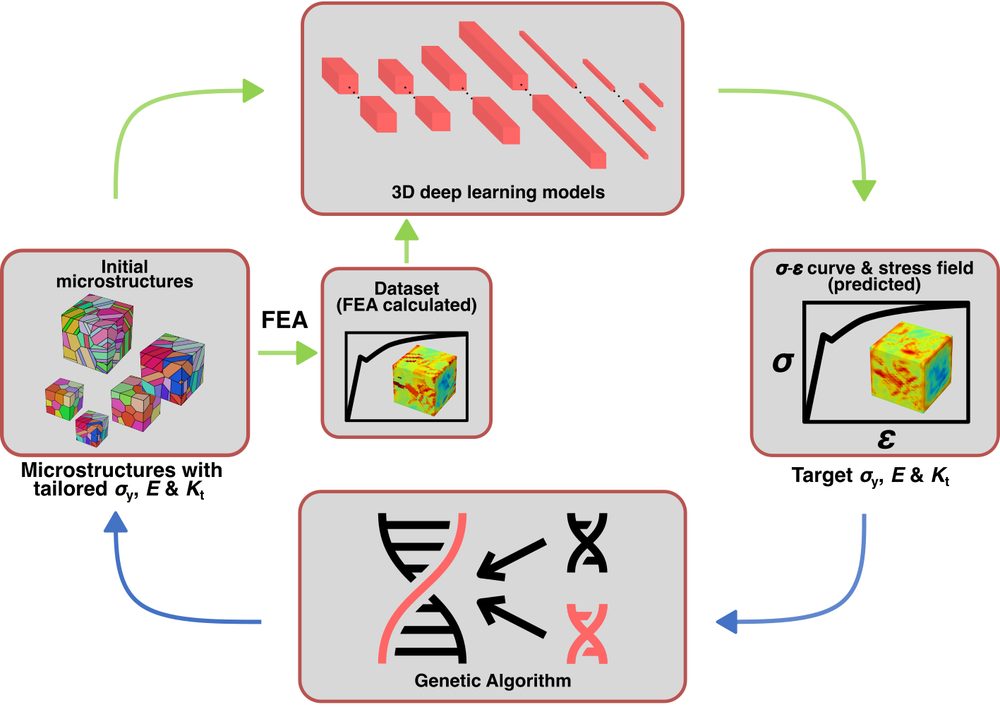
3D microstructure from AI inverse design

AI design for AM

Challenge 1

Process- and cost-aware AI design

Generative AI

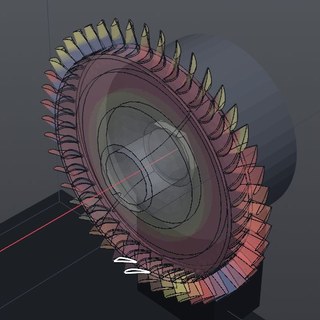
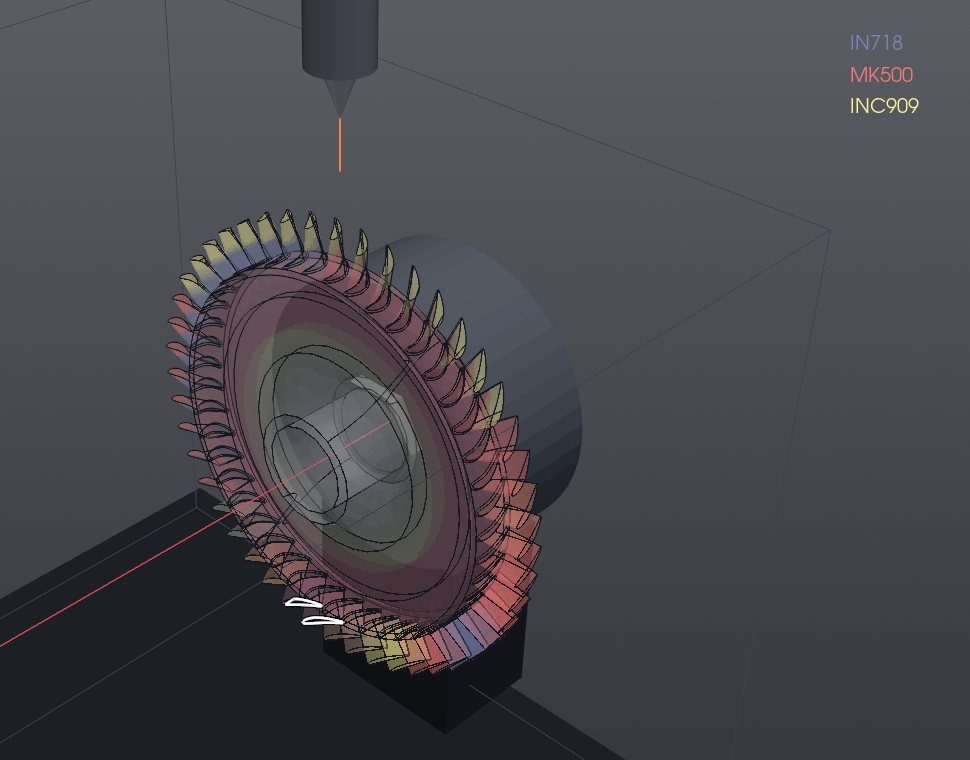
Graded turbine blisk in the toolpath planner

Toolpath planning

Challenge 1

Composition-aware toolpaths for graded parts

Bayesian optimization · agentic AI

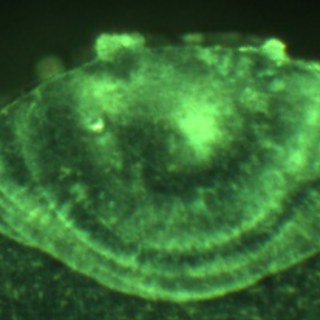
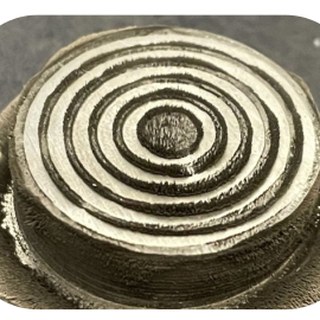
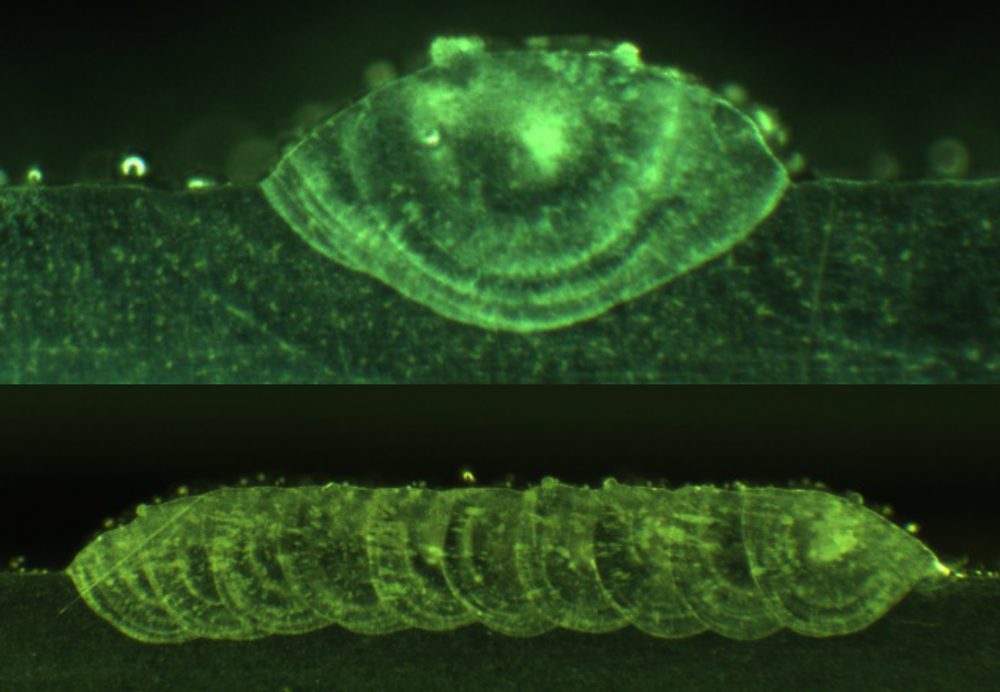
Melt pool cross-section from laser directed energy deposition

Process models

Challenge 2

Transferable AI process optimization

Physics-informed & transfer learning

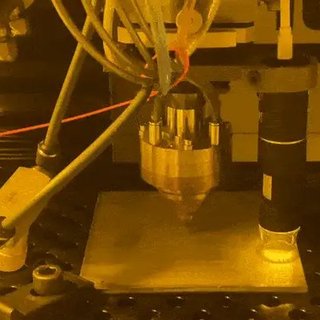
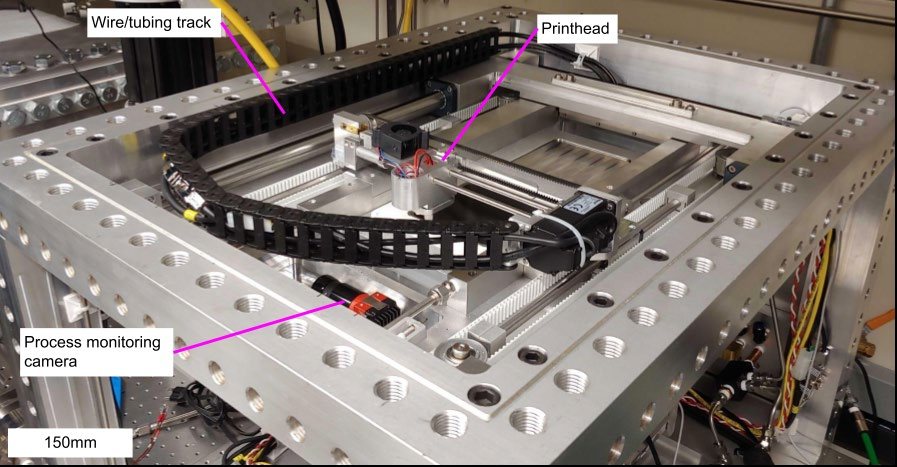
DED nozzle with an in-situ monitoring camera

Closed-loop control

Challenge 2

Adaptive control of composition

Learned control · multi-modal sensing

Multi-metal part printed by DED

Critical parts

Goal

Affordable, certifiable graded metal parts

Aerospace · nuclear · defence

Long term: AI design and AM as one system

The problem

AI is speeding up the design of alloys, architectures and parts, and many of the most promising designs, especially functionally graded parts, are best made by additive manufacturing (AM). Manufacturing has become the bottleneck: AI designs rarely consider what can be built or at what cost, and AM cannot yet build them accurately or quickly enough.

My approach

My lab, the Additive Innovation and Artificial Intelligence (AI²) Lab, will work on both sides: building manufacturability and cost into AI design, and making AM accurate and reliable enough to build what AI designs.

Cost and qualification are design goals alongside performance: parts that perform well and are also affordable and certifiable.
Track record

Foundation

What I have built so far, and the part of my lab's plan each result supports. Published marks peer-reviewed results; Ongoing marks current, unpublished work.

  1. Challenge 1toolpath planning

    Functionally graded turbine blisk

    Ongoing at MIT Design, fabrication and testing of a component-level, functionally graded gas-turbine blisk (DARPA METALS program), using a dilution- and thermal-aware planner that co-optimizes toolpath and composition for multi-material DED.

    AI: bilevel optimization

    Toolpath planner render of the graded blisk
  2. Challenge 2graded AM

    Heterostructured and multifunctional multi-metal parts

    Published Bi-metallic 316L/17-4PH heterostructured steels with 27.3% higher tensile ductility than 316L, explained by a confined-necking co-deformation mechanism (Acta Materialia 2026). Multi-metal parts with magnetic, data-encoding, sealing and mechanical functions, with two patent applications (MetalMat 2026). Process windows for multi-track and multi-layer builds (Additive Manufacturing 2025).

    Ongoing Radial bi-metallic materials that overcome the strength–ductility trade-off under ultra-high-speed impact (manuscript submitted).

    AI: machine learning + genetic-algorithm inverse process optimization (AIDED)
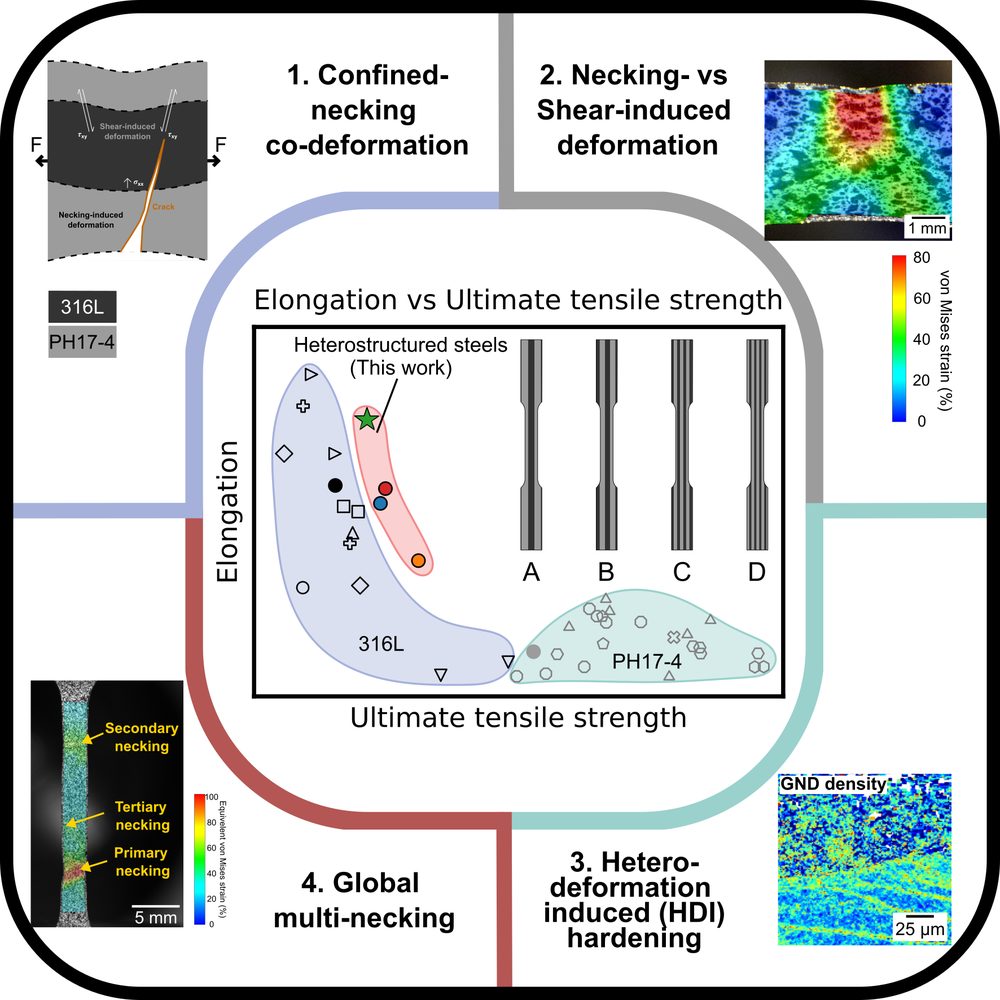
    Heterostructured bi-metallic steels
  3. Challenge 1AI design

    Inverse microstructure design

    Published From target mechanical properties directly to 3D microstructures, with a 3D convolutional neural-network surrogate and a genetic algorithm (Materials Today 2023).

    AI: 3D-CNN surrogate + genetic algorithm

    Inverse microstructure design framework
  4. Graded materialsDED & LPBF

    In-situ alloying and compositional grading

    Published Invited review of microstructure and composition engineering by DED, including in-situ alloying and graded builds (Additive Manufacturing 2026); co-author on active learning for NiCoCr alloy discovery in AM (npj Advanced Manufacturing 2026).

    Ongoing at MIT A hybrid laser powder bed fusion + inkjet process for voxel-level, in-situ alloying of functionally graded materials.

    AI: active learning

    HAMR3 inkjet printhead over the build area
  5. Challenge 2process & control

    Melt-pool mechanics and control

    Published Mechanism and quantification of melt-pool morphology in laser DED, combining CFD with in-situ high-speed infrared imaging (J. Manufacturing Processes 2025, co-first author); co-author on ML-aided keyhole simulation (IJHMT 2025).

    Ongoing Deep-learning closed-loop control of DED (manuscript in preparation; patent application in preparation). Magnetic-field-assisted DED of 316L and IN718 observed by in-situ synchrotron X-ray imaging with Prof. Peter D. Lee at UCL (manuscript in preparation).

    AI: automated image analysis & learned control

    Melt pool cross-sections from DED
Future research

Two challenges, four projects

1

Build manufacturability into AI design

1.1 Process- and cost-aware AI design
1.2 Composition-aware toolpath planning

2

Make AM accurate and fast enough

2.1 Transferable AI process models
2.2 Adaptive closed-loop control for graded AM

Long term: AI design and AM work as one system, so that every design arrives ready to build and to qualify.

Where it matters

  • Aero-engine and power-generation turbines: graded, repairable hot-section parts and blisks.
  • Naval, marine and defence hardware: in-country, closed-loop repair of propulsion and engine components.
  • Nuclear and energy: wear- and corrosion-resistant cladding with controlled dilution.
  • Critical materials: graded designs that place scarce elements (Ni, Co, Nb) only where they are needed.
  • Extreme environments: impact-tolerant and high-temperature structures validated by mechanics.

What I bring to a lab

  • Machine building: designed and built a full-size multi-material DED system (1 kW laser, dual powder feed, CCD and high-speed IR monitoring) from scratch; now developing a hybrid LPBF + inkjet process at MIT.
  • Sensing and control: in-situ imaging, synchrotron X-ray experiments, learned closed-loop control.
  • AI for engineering: deep learning, genetic and Bayesian optimization, transfer and active learning, learned control.
  • Mechanics: mechanical testing, deformation mechanisms, finite-element analysis.
  • Translation: 2 granted patents, 2 pending US patent applications (a third in preparation), and a venture-competition win.