Xiao Shang
Postdoctoral Researcher, Massachusetts Institute of Technology
Mechanosynthesis Group (MechE) & Gas Turbine Laboratory (AeroAstro)




I want AI-designed materials and parts to be not only high-performing but also manufacturable, so that their benefits reach industry.
Next-generation critical metal components through AI-driven manufacturing
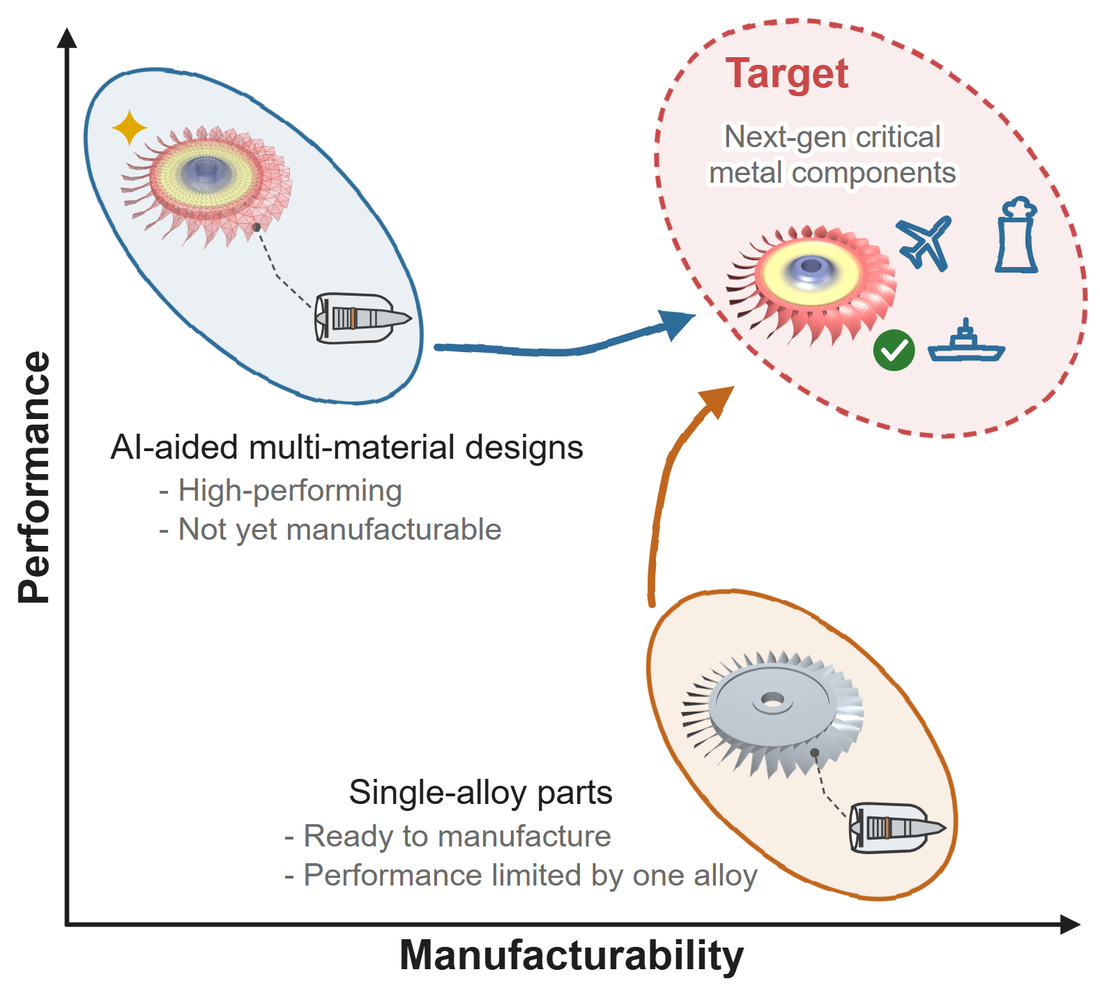
Turbine blisks and other critical parts must run hotter, last longer and weigh less, often more than one alloy can deliver. Multi-material parts put the right alloy where it is needed, and AI can now design them. Two gaps stand between these designs and real parts:
- AI designs seldom consider manufacturing limits, so the parts can crack or form brittle phases.
- Additive manufacturing cannot yet place each material accurately where it was designed.
My lab, the Additive Innovation and Artificial Intelligence (AI²) Lab, will close both gaps.
Two research directions
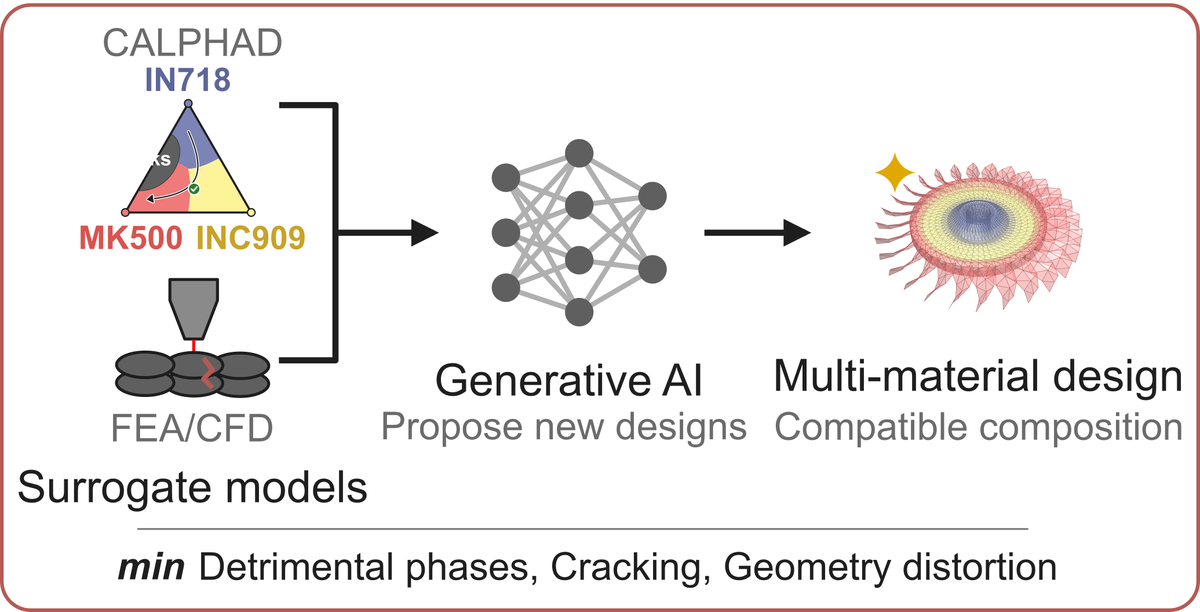
AI design of manufacturable multi-material components
Generative AI, guided by surrogate models of phase formation and of the printing process, proposes designs that perform well and can be built without defects.
Builds on: bi-metallic steels, multifunctional multi-metal parts, AI inverse microstructure design.
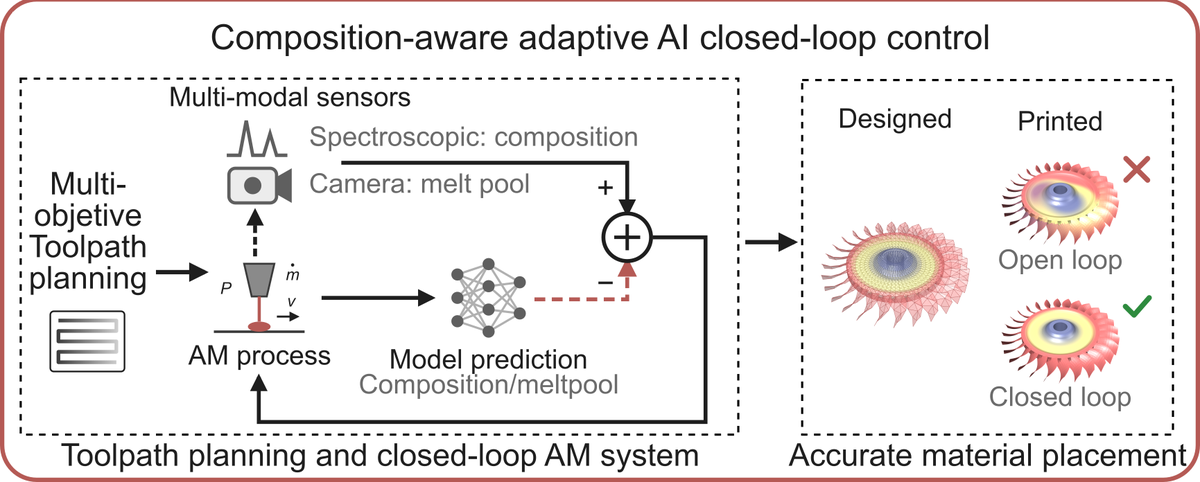
AI-driven additive manufacturing for accurate material placement
Toolpath planning before printing, and AI closed-loop control with multi-modal sensors during printing, so that each material ends up where it was designed.
Builds on: a multi-material DED machine I built, AI process optimization, melt-pool studies, closed-loop DED.
The foundation: what I have built
I have designed multi-material steels, built a multi-material DED machine, and developed AI models for process optimization and materials design. Selected published results:
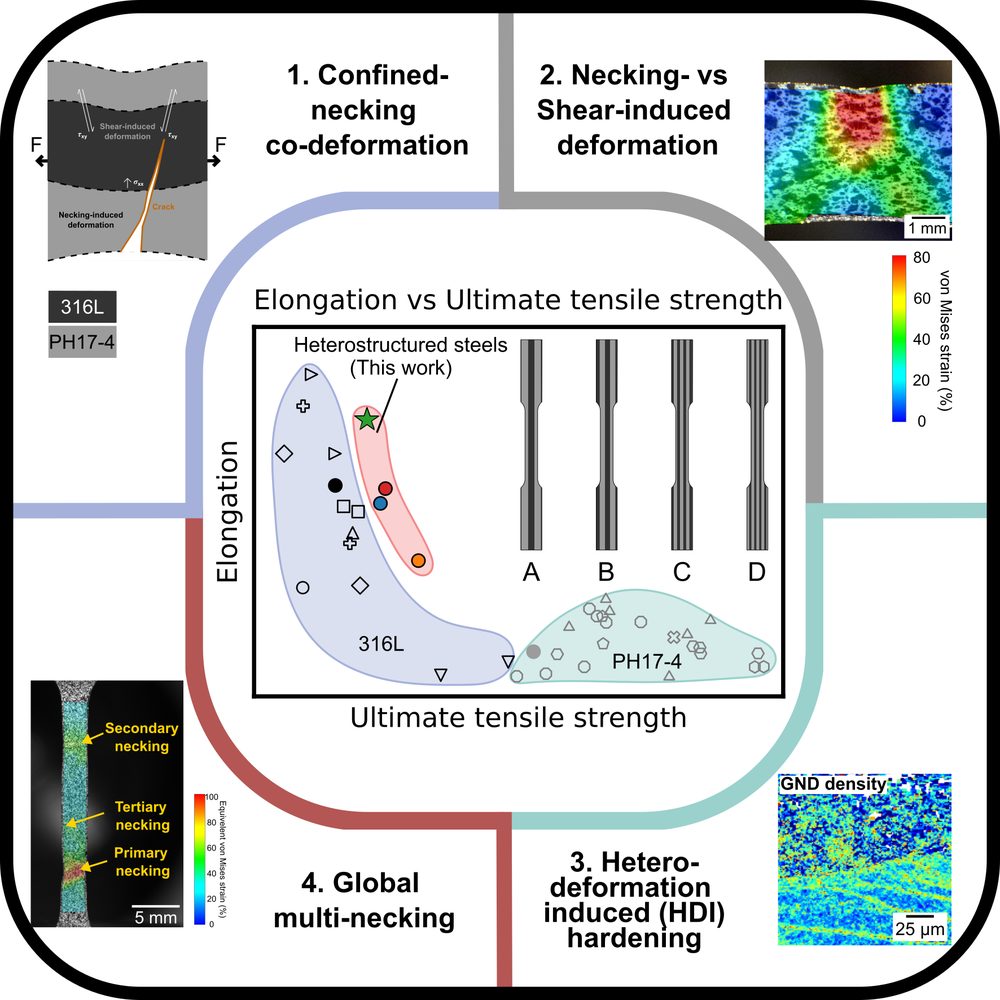
Heterostructured bi-metallic steels
Confined-necking co-deformation raises tensile ductility by 27.3% over 316L.
Custom multi-material DED platform
A full-size DED system I built from scratch, the base for my bi-metallic and multifunctional work.
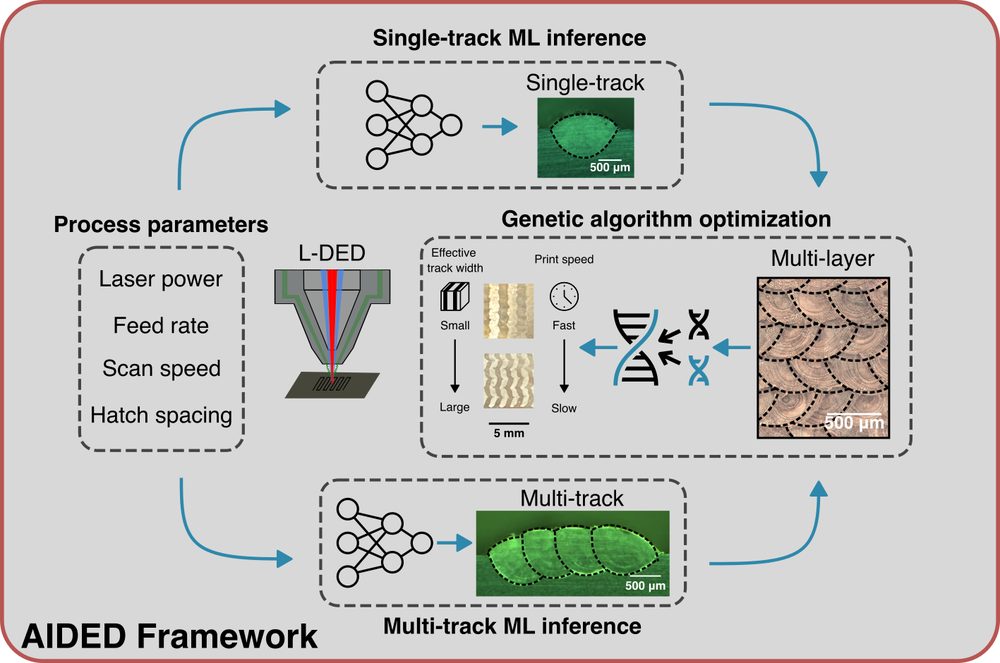
AIDED inverse process optimization
ML + genetic algorithms find DED process windows from single tracks to multi-layer builds.
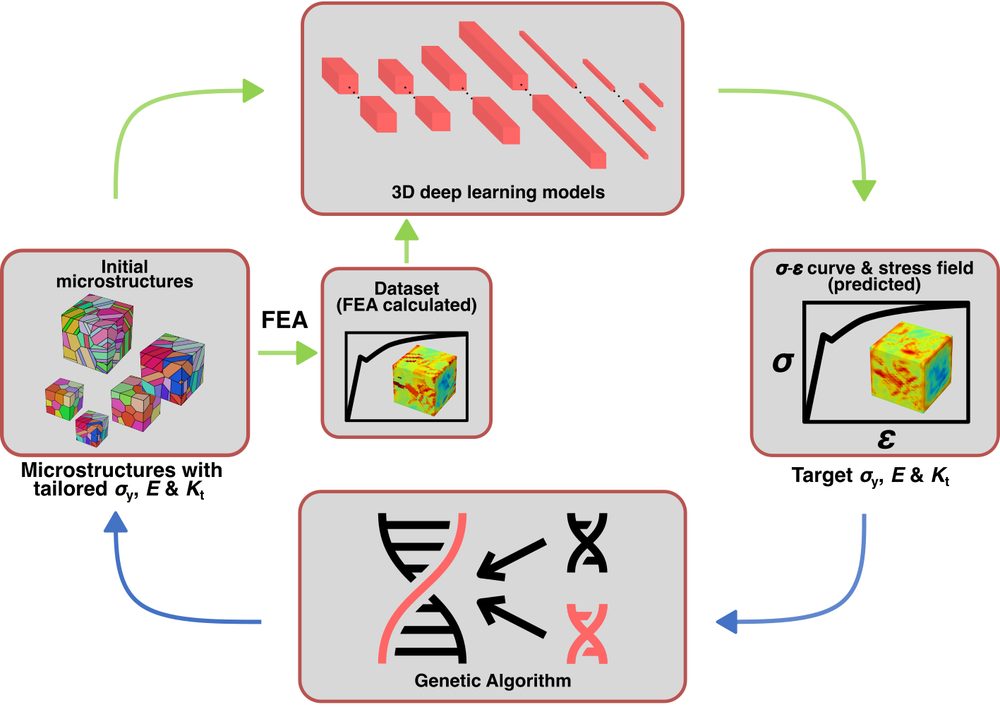
Inverse microstructure design
A 3D-CNN and genetic algorithm go straight from target properties to 3D microstructures.
Multifunctional multi-metal parts
Magnetic force, embedded data, better seals and programmable mechanics from one DED process.
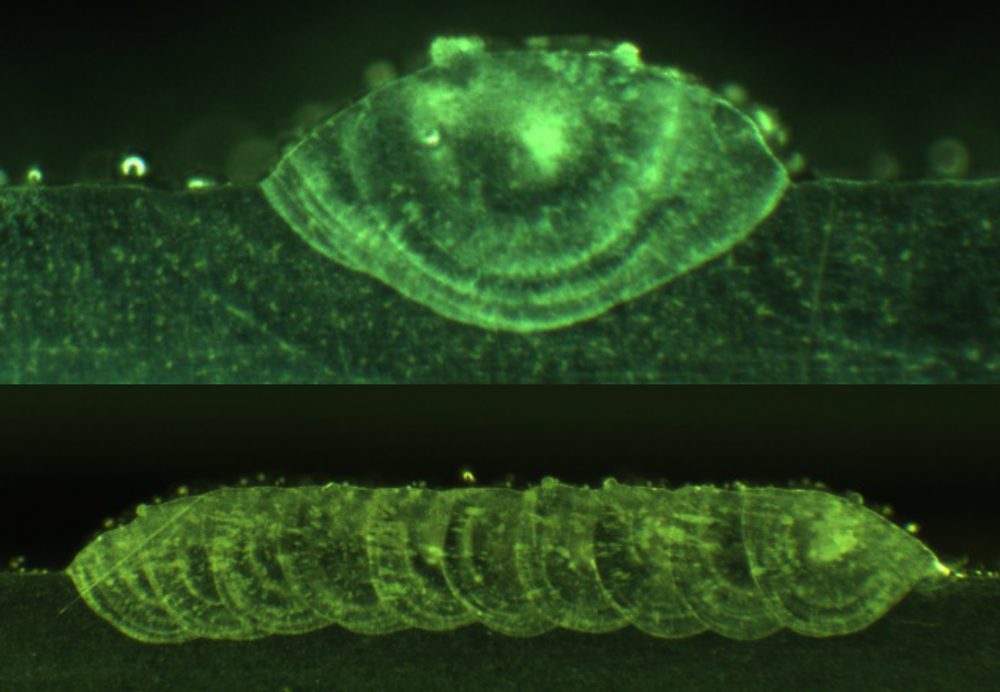
Melt-pool morphology in DED
CFD and in-situ high-speed infrared imaging explain and quantify melt-pool shape.
Ongoing projects
Current, unpublished work at MIT and with collaborators.
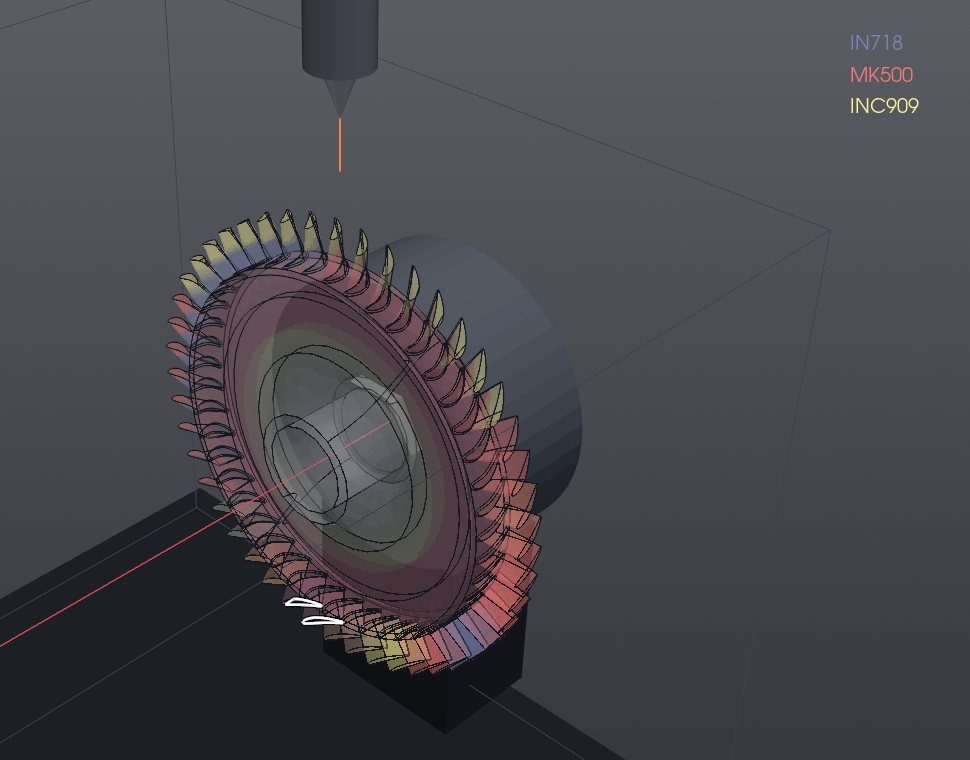
Functionally graded turbine blisk
A component-level, multi-alloy gas-turbine blisk, planned with a toolpath–composition optimizer that accounts for dilution and heat build-up.
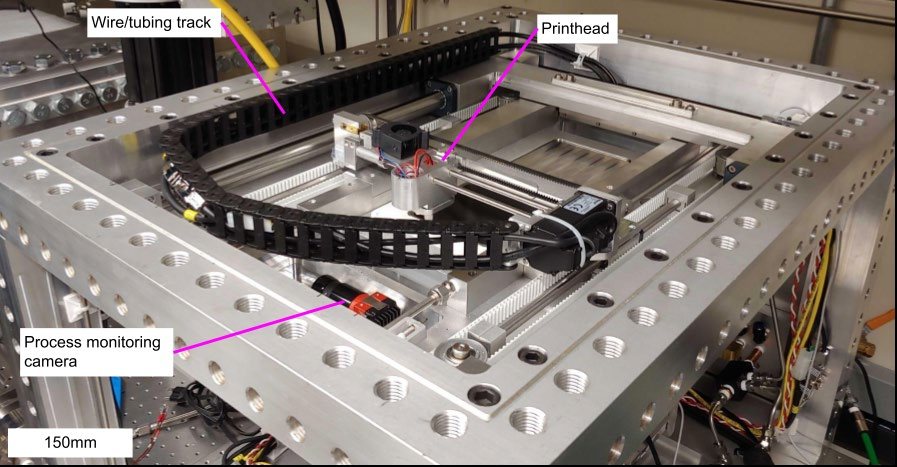
Hybrid inkjet + laser powder bed fusion
Jetting nanoparticle inks onto each powder layer to alloy metals voxel by voxel and print smooth in-plane composition gradients.
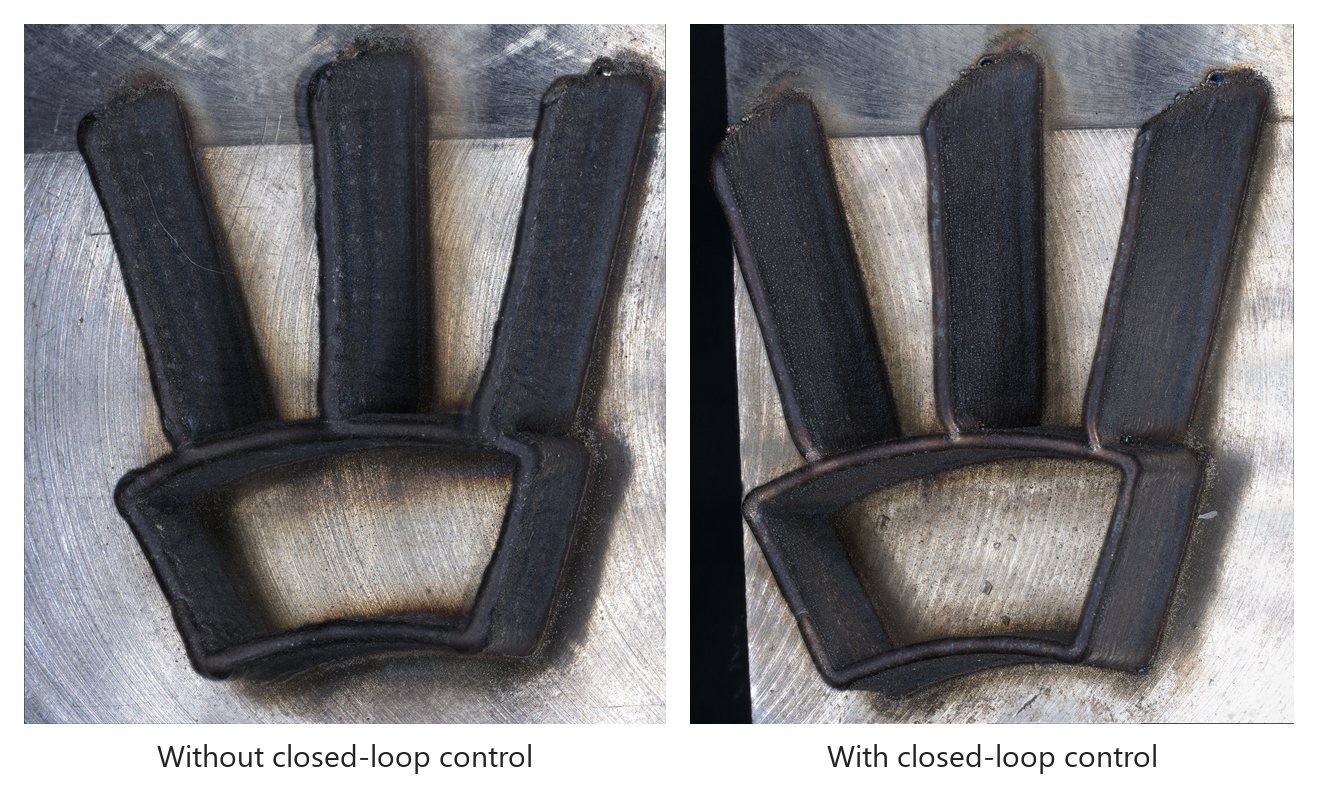
Deep-learning closed-loop control of DED
A learned controller that reads images of the build and adjusts the laser on the fly.
Magnetic fields as a melt-pool actuator
Direct X-ray evidence of thermoelectric magnetohydrodynamic flow in DED of 316L and IN718, toward a new knob for melt-pool control.
All ongoing projects, including impact-resistant bi-metals →
 About
Engineer, researcher, builder
I am a licensed Professional Engineer and a postdoctoral researcher at MIT working with Prof. A. John Hart and Prof. Zachary Cordero, supported by an NSERC Canada Postdoctoral Research Award. I earned my PhD in Materials Science and Engineering at the University of Toronto with Prof. Yu Zou.
My work sits where manufacturing processes, mechanics of materials and artificial intelligence meet. I build the machines, write the control and optimization software, and test the parts that come out.
Selected recognition
- 2027 AIME Henry DeWitt Smith Scholarship
TMS 2027 · US$2,500 + US$500 travel grant - NSERC Canada Postdoctoral Research Award
2026 · $140,000 · ranked 6/327 - 1st Place, ASM International IMAT Materials Venture Challenge
2025 · autonomous additive manufacturing system - NSERC Canada Graduate Scholarship – Doctoral
2023 · $120,000 - Connaught Innovation Award, University of Toronto
2023 · $150,000, with Prof. Yu Zou
Recent updates
- 2026Selected for the 2027 AIME Henry DeWitt Smith Scholarship (US$2,500, plus a US$500 travel grant and complimentary registration), to be announced at the TMS 2027 Annual Meeting.
- Aug 2026Joined MIT as a Postdoctoral Researcher with Profs. A. John Hart (Mechanosynthesis Group) and Zachary Cordero (Gas Turbine Laboratory).
- 2026Awarded the NSERC Canada Postdoctoral Research Award ($140,000).
- May 2026Defended my PhD thesis, Design and additive manufacture of high-performing metallic materials via process and microstructure optimization, at the University of Toronto.
- 2026Invited review on directed energy deposition published in Additive Manufacturing.
- 2026Oral and poster presentations at the 155th TMS Annual Meeting.
- Jan 2026Heterostructured bi-metallic steels published in Acta Materialia, and multifunctional multi-metal parts in MetalMat.
- Jan 2026Received the DND/NSERC Supplemental Funding Award for defence-relevant research.
- Oct 2025Won 1st Place in the ASM International IMAT Materials Venture Challenge for our autonomous additive manufacturing system.
- Aug 2025Received the Joseph R. Benedetto Scholarship from SME Toronto Chapter 26.